November 2025 | Digital8

10 Key Features Your Business App Must Have

Introduction: The New Era of Business Apps in Australia

Digital transformation is officially taking over Australia’s business landscape. With mobile technology becoming more necessary than an option, if you don’t know the way around your mobile phone, you might be left behind.

Statista says that over 80% of Australians prefer apps over websites for their day-to-day activities, which include shopping, banking, booking services, and managing business operations.

Several Brisbane businesses are going through a rising surge in mobile engagement, which is spearheaded by a tech-savvy population that’s only getting bigger by the year, and spreading into small-to-medium enterprises (SMEs).

However, in 2025, it’s not just about having an app, but more about having the right app – the app that doesn’t waste your time, or make life difficult for you, is user-friendly, and thinks for you. This means if your business fails to keep up with trendy features, you may risk losing your customers to competitors who provide a smoother and more brilliant mobile experience through their apps.

For instance, a Brisbane café chain recently added some hot new features to their app, including AI-driven recommendations, loyalty program integration, and offline functionality. It only took them three months to see progress of a 40% increase in customer engagement and a 25% boost in repeat orders. And that right there is the power of a damn good app on Australian businesses.

Keep reading this guide, where Digital8’s leading app development experts will take you through some of the top 10 key features that your business app cannot miss out on in 2025, along with other helpful trends you need to know to keep your app ahead of the digital curve. Whatever shape or form your business takes, from a small business to a budding startup or even a high-level enterprise, these app insights will tell you all about getting out a brilliant app that delivers long-lasting value, engagement, and growth.


Why App Innovation Matters

As we mentioned before, mobile apps are not a choice anymore. It has become a supplementary tool that revolves around customer engagement and operational efficiency.

The keyword here is innovation. If an average Australian business wants to stay ahead of the app competition, it must bring something new to the table. In Brisbane itself, the business ecosystem is expanding into bolder arenas that demand feature-rich, user-focused apps more than ever, especially with startups and SMEs spearheading the digital charge.

However, innovation in apps is not just about knowing the next new tech buzzword – it’s more about knowing your customer better and meeting their expectations the right way. To break it down, the modern Australian now demands fast, reliable, and very personalised experiences in all their product/service encounters. And the bottom line is that if apps fail to meet these demands and standards, it’s a dent on revenue, ratings, and retention. Let’s take an Australian logistics company that recently published an app to streamline its deliveries. By weaving together real-time tracking, offline functionality, and push notifications, the company was successfully able to bring down its customer complaints by 30% and improve its operational efficiency by 20%. And that’s how the right features can make an impact on your business performance and customer satisfaction.

In 2025, app innovation will focus on three main pillars:

  • Technology: Complex integrations, cloud-based systems, and artificial intelligence
  • User Experience: Smooth interfaces that connect users easily
  • Security and Compliance: Strict protection of user data in accordance with Australia’s data protection laws.

How do we do it at Digital8? We base our apps on these three pillars so your Brisbane business can impress its customers and stay ahead of the digital curve.

Why App Innovation Matters

1. Seamless User Experience (UX) Design

For any successful business app, a smooth UX holds structure and purpose. Any app user wants theirs to be intuitive, visually pleasing, and easy to navigate, so if your business app fails to deliver any of these requirements, it can lead to frustration and eventual abandonment of your app.

A great UX doesn’t stop at its aesthetic appeal – it’s also about making interactions easier, lowering the click rate, and helping users manoeuvre through their tasks easily.

Due to these reasons, Australian businesses have begun to give UX the proper attention it deserves. For instance, a Brisbane-based café recently revamped its app interface and streamlined the ordering process by adding interactive menus and swipe gestures. The result? A significant drop in cart abandonment and a spike in repeat engagement. UX improvements not only impress your customers, but they also show significant changes in your conversion rates and brand loyalty.

Here are some key considerations you must have for a better app:

  1. Clutter-free navigation hierarchies
  2. Consistency across screens
  3. Accessibility compliance for users with disabilities

Design tools like Figma, Sketch, and Adobe XD are popular options to test UX flows and prototype before publishing apps. It’s also important not to skip steps like A/B testing and the gathering of direct user feedback to ensure that your audience can relate to your design.

If your business is looking to spruce up usability and aesthetic levels, then probing deep into UI/UX Design Services or blogs on emerging design trends in Australia would be a few great first steps for actionable insights.


2. Personalisation Through AI & Machine Learning

By 2025, apps with AI-focused personalisation will be commonplace. This essential feature examines user behaviour, preferences, and previous interactions to enable apps to provide personalised experiences that give users a sense of being heard and understood. Sometimes, all you need to do to increase engagement and conversions is this. Here’s how it works in practice: a content platform can recommend articles or videos that fit a user’s interests, or a retail app can recommend products based on a customer’s previous purchases. 

AI-powered smart notifications are also another way to grab your customers’ attention at the perfect time, increase click-through rates, and fuel repeat engagements without feeling like a stalker.

And in Brisbane, the fruits of personalised AI tactics are already being reaped in both small and medium businesses. For example, a local fitness app uses AI to suggest your ideal workout and meal plan based on your levels of activity and location, resulting in increased retention and app usage levels.

Though AI is a major catalyst in transforming user experiences in the modern digital age, it’s always important to keep in mind its limitations and proper way of use. Yes, we mean steering clear of privacy issues. According to Australia’s Privacy Act 1988, all Australian businesses must collect customer data with consent, then store it securely, and avoid misuse. Additional strategies, clear data policies, and consistent regular audits can help strengthen trust with users while making use of AI effectively.


3. Lighting-Fast Load Times

In 2025, speed trumps over anything else. People are getting busy, and any technological device that puts them behind schedule is avoided like the plague. Australian users are currently looking for apps that load without wasting a second, as even a few seconds of delay can lead to frustrations, lost time, and poor engagement. If your app comes with heavy media content, e-commerce platforms, and other real-time features such as booking systems, then you may need to pay more attention to your app’s load speed.

So what’s the secret behind optimising load speed? These strategies should be in your toolbox: compressing images and media files, reducing code bloat, opting for content delivery networks (CDNs), and implementing lazy loading for heavier content.

Several Brisbane-based SMEs have recorded positive feedback with these strategies – for instance, a local retail app was said to reduce load times from just 6 seconds to 2 seconds, which led to a 25% increase in daily active users and a lengthier session duration.

Going for the right technology also matters. Native apps tend to perform better than hybrid apps in terms of speed; however, optimised frameworks like Flutter or React Native can easily achieve near-native performance while lowering development costs. One of the best ways to ensure fast load times is to practice regular performance monitoring and testing under a variety of networking conditions. Our teams at Digital8 know how to optimise your app for both speed and reliability, offering a smooth, lag-free experience for any device or connection.


4. Intuitive Onboarding and Navigation

First impressions say a lot when it comes to an app, and when app onboarding is concerned, the first encounter a customer has with your business can determine your app’s future. A natural onboarding process guides users, demonstrates value, and reduces friction, giving the customer the guarantee that every time they come back, the app interacts with them the way it did the first time. Consistency is paramount.

Some of the best practices to ensure this are minimal data entry, use of social logins, and interactive tutorials that highlight key features in a way that doesn’t overload users. The next is progressive disclosure – sounds like a lot? In simple terms, this is where time is taken to slowly introduce users to advanced features. This way, confusion and overwhelm are reduced, which in turn will enliven the user experience.

To see how all this plays out in a real-world scenario, let’s take a Brisbane fintech startup that revamped its onboarding with tooltips, micro-interactions, and contextual hints, resulting in a 40% increase in new-user activation. Smooth navigation is very important: we’re talking menus, buttons, and flows that should cohesively feel predictable and effortless. If your user is having a hard time doing the bare minimum on an app, then you need to sit down with your app dev team and have a chat. Steps like performing usability testing, collecting feedback, and iterating based on real user behaviour make sure that onboarding meets user needs.

Bottomline: Well-thought-out onboarding, when paired with thoughtful UX design, boosts engagement. If your business is looking to tweak its onboarding experience, then checking out UI/UX Design Services or related design trend blogs can fuel inspiration and wire some practical strategies.


5. Cross-Platform Compatibility

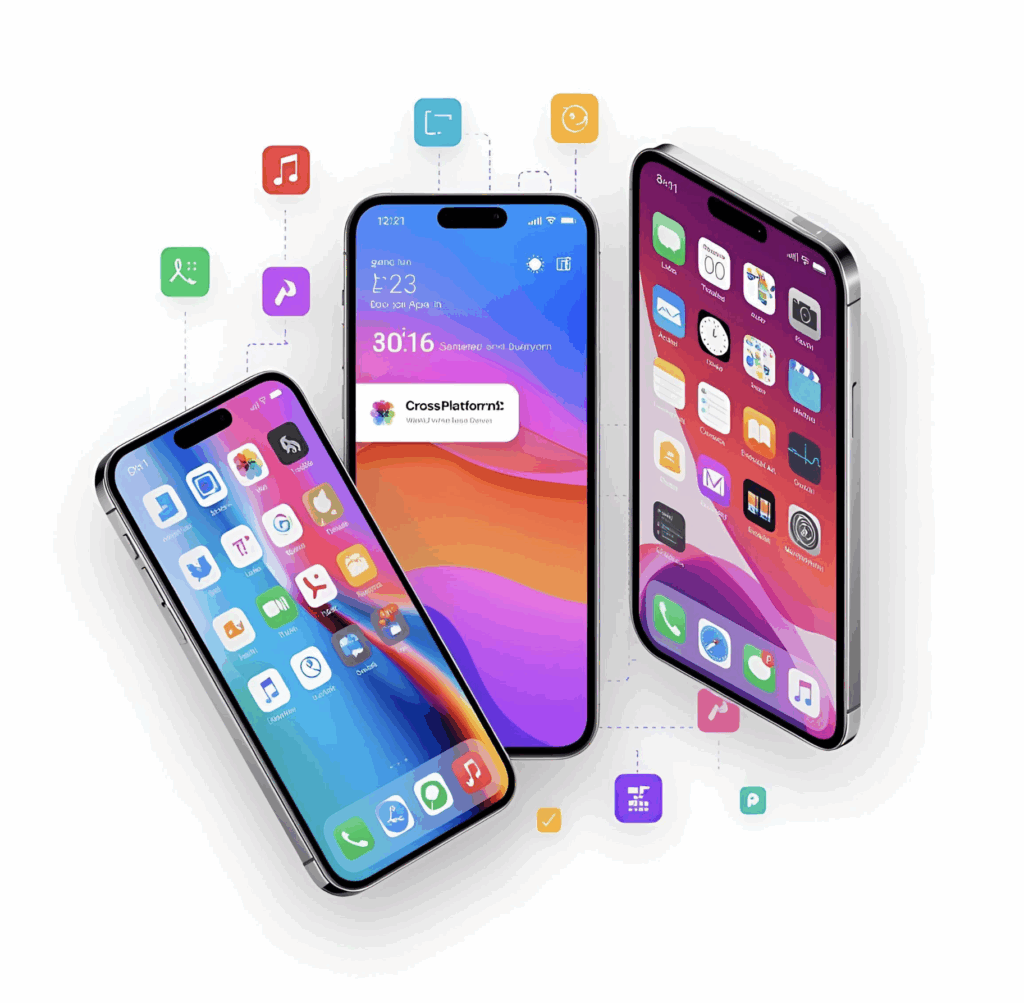
Multiple device usage has risen over the years, and this has led to the necessity of cross-platform compatibility. From smartphones to tablets and desktops, ensuring cross-platform compatibility offers a consistent and reliable experience for guests, no matter the device or operating system they are on.

Brisbane businesses have started to launch apps across both iOS and Android platforms using frameworks like Flutter, React Native, and Xamarin. This way, development time and costs can be reduced while keeping performance and visuals consistent.

Native apps indeed have an upper hand when it comes to performance; however, hybrid apps are starting to prove viable for SMEs that are looking to explore larger audiences.

Cross-platform development comes with various stages, such as testing on multiple devices, screen sizes, and operating systems, so the app can function without any hiccups. For instance, a local retail startup published a cross-platform app using Flutter with a consistent UX across all devices and a quick launch timeline.

Our cross-platform app development projects at Digital8 aim to build an app that works great on all your devices to enhance reach and usability. 
 

Cross-Platform Compatibility


6. Data Security & Privacy Compliance

Security measures on consumer data have never been more serious than it is in 2025. Nobody likes having their sensitive data out there, and it’s even worse when customers share it with trusted companies only to have it leaked out into the public.

The modern-day Australian wants to have their data protected, especially financial and personal data, when it comes to sectors such as healthcare, fintech, and enterprise services. Over the past few years, there have been many examples of data breaches by popular brands, and one thing is clear and it’s how detrimental it is to a brand, sometimes irrecoverable.

What are the best measures for consumer data protection?

Some features that cannot go wrong are end-to-end encryption, multi-factor authentication, biometric logins (Face ID or fingerprint), and secure API connections. While technical measures are the base, there are other factors businesses must consider, such as data minimisation, opt-in collection, and transparent policies, to nurture user trust for a long time.

Let’s take an example where a Brisbane fintech app used biometric login and encrypted transactions – this combination led to an increase in retention and better trust in the app among users. This is the impact of data security on your business directly.

When it comes to security, more is always never a bad idea, so practicing consistent security audits, penetration testing, and performing compliance checks are all good practices to ensure user data will not be in the hands of external parties.

Here at Digital8, our apps are made whole with security measures and regulatory guidelines in practice. A secure app not just protects your user data, but also positions you as a credible business in the Australian market.

7. Offline Functionality

Though the world is soon to go digital, connectivity isn’t a promise wherever you go, especially when it comes to closed-off regional and rural areas of Australia. This is where offline functionalities in apps prove useful. This way, users can still use key features even without an internet connection, enhancing reliability and user satisfaction.

With the support of local data caching, database storage, and automatic syncing once the connection is hot, apps can easily add offline features.

A lot of these offline features are ideal for logistics, retail, field services, and point-of-sale apps.

Let’s get into a real-life scenario through an example: a Brisbane-based logistics company that used offline order processing for delivery drivers.

In this system, drivers could complete their deliveries without requiring a mobile reception, and the data would automatically sync when they hop back online. And the results? A spike in operational efficiency and a drop in errors.

Another great thing about offline-first features is that it’s a huge supporter of user trust. Users tend to rely more on an app that works well under bad network conditions. However, developers must remember to focus on ensuring data integrity and conflict resolution in order to prevent loss of data when it comes to syncing.

Looking for an offline app? Here at Digital8, our dev teams build offline apps that work smoothly offline, giving Australian businesses an upper hand even in those zero-connectivity regions.


8. Smart Push Notifications & In-App Messaging

Push notifications are one of the best tactics to keep your users engaged; however, the key here is relevance. If the notification is not relevant to your user, then the whole thing will just be plain annoying.

Smart notifications and in-app messaging are fuelled by AI, and can increase engagement, drive conversions, and improve user retention without overwhelming your app users.

Notifications that will actually matter to a customer can be curated in a way that is personalised, contextual, and timely. A Brisbane-based hospitality app made good use of push notifications by using them to alert customers when tables free up, special events announcements, and other promotions. They recorded a 20% increase in bookings and even better results in app engagement. Understanding your user behaviour, demographics, and purchase history, then using that information in a notification strategy, helps you get the right message to the right audience.

Another feature of in-app messaging is real-time support and updates, which lead to better interactive experiences. Businesses should focus on monitoring engagement metrics in order to avoid notification fatigue – this can be achieved by adjusting frequency and content based on analytics.

Digital8 brings in smart messaging systems that create a perfect balance between user engagement and privacy, so Australian businesses can speak the right message without annoying their users.


Smart Push Notifications


9. Integration with Business Systems

Your modern-day app is not working on its own. Every new app is now integrated with CRM, ERP, and accounting software or analytics platform – these ensure a smooth flow of data, optimise workflows, and improve decision-making.

With the help of APIs, businesses can now sync in real-time, which allows accurate reporting and the automation of repetitive tasks. For context, let’s take an example where a Brisbane-based SME has integrated Xero and Salesforce into its app. Results? A clear drop in reporting time by 50% and a spike in team productivity levels.

This is the power of right integration of business systems, and the plus points are that you get access to great customer behaviour, operational efficiency, and market trend insights.

Developers should understand and assign more consideration to data mapping and error handling, as they are essential in maintaining data integrity.

Here at Digital8, you can trust our apps to be built with robust, scalable integrations that connect your business systems efficiently and ensure better data-driven decisions can be implemented hassle-free.


10. Scalability & Future-Proofing

With change taking place at a rapid rate, an app cannot stay the same forever either. And that means your app should be capable enough to grow with your company.

Scalability isn’t just about growth; it’s also a test of your app’s ability to handle the rising number of users, data, and functionality.

Some other features that come in handy for future-ready apps are cloud-based systems, modular designs, and microservices architecture.

The time has come where Australian startups and enterprises are eyeing apps that can easily adapt to new technologies such as AR, VR, IoT devices, blockchain, and AI enhancements.

The main success factor behind long-term apps is consistent updates, monitoring, and interactive improvements. Scalability also depends on how readily your business can face regional expansion, higher transaction volumes, and changing regulatory requirements.

Our app development team at Digital8 builds apps that can face any change of time. With the perfect amalgamation of technical expertise and strategy-backed planning, Brisbane business apps can safely explore expansion opportunities in the future.


Bonus: Emerging Features Worth Watching

In 2025, a good app isn’t just about the language of the users, but also about the level of contextual relevance to the Australian market.

With localisation, you can guarantee the content, currency, date formats, and cultural references align with the expectations of Australian users. It’s inherently natural for customers to trust and engage with apps that prefer local context.

Let’s consider a Brisbane food delivery app in terms of localisation: with the use of postcode-specific offers, local restaurant recommendations, and region-based notifications. Similarly, e-commerce apps can suggest items in AUD pricing, account for local shipping times, and weave in Australian payment methods such as Zip, POLi, or Afterpay. To make the experience even more colourful and personalised, you can always add more features, such as referencing local events or holidays.

Localisation also means you need to stick to regulatory laws. This is non-negotiable when it comes to apps in general and the handling of private data, and sticking to relevant e-commerce regulations when it comes to transactions.

When integrated into an Australian context, businesses can go ahead and build apps that are both native and feel relevant – and this is an easy boost in engagement, conversion, and loyalty levels.

Digital8 has worked with many localised app projects, and our app development has expertise in focusing on regional targeting and keeping designs culturally relevant, so each app connects Australian users better.

 

Why App Innovation Matters


How Digital8 Helps Brisbane Businesses Build Future-Ready Apps

Got a great business idea, but don’t know where to insert it? Digital8 will turn it into a high-performing, future-ready app.

When factors such as user-centric design, robust architecture, intelligent integrations, and compliance with Australian privacy regulations come into play, app development means so much more than just development in 2025.

At Digital8, we keep our clients informed about everything from project kickoff to post-launch support. It’s important that our dev teams have a keen understanding of your business goals, target audience, and operational challenges. Now, when combined with AI-driven personalisation, offline functionalities, smart notifications, and scalable infrastructure, Digital8 is here to give you an app that’s not just making heads turn, but also adapts to the dynamic business landscape and tech environment.

Local context is a key element that we prioritise here. We curate apps that are customised for Australian users in terms of currency, regional offers, cultural relevance, and compliance with the laws of the Privacy Act 1988. From SMEs, startups, to large-scale enterprises, Digital8 offers apps that are secure, user-friendly, and ready for expansion across all platforms and regions.

If you’re a Brisbane company, partnering up with Digital8 can open your business to end-to-end expertise, from UX/UI design, cloud architecture, to analytics and integrations. These benefits will make sure your app performs well, provides measurable insights, and is fit to scale along with your business, so you can stay ahead of the curve in this dynamic digital landscape.


Conclusion

By now, it’s obvious that business apps are more of a necessity than a choice. With time, apps have become a tool that plays a huge role in engagement, efficiency, and growth. Convenience is becoming important as Australian users are now looking for apps that are fast, secure, personalised, and easy to navigate – so if businesses fail to deliver on this end, they could risk losing a lot of customers due to credibility.

Features such as AI-driven personalisation, offline functionality, smart notifications, cross-platform compatibility, and robust integrations are some rewarding and trendy ways you can upgrade your app for one that sticks in the long run.

While keeping up with new tech trends is a lot, it’s a necessity these days. It’s come to a point where missing out on tech trends can cost you your customers. So always see what new tech features you can add to your app toolbox – that way, you’re both ahead of the competition, ready to serve modern expectations of your users.

Let’s not forget about scalability and future-proofing your app!

Any app in this modern business context must grow along with the business, reel in more users, upgrade to new features, and rise to new technologies such as AI, AR/VR, and IoT. And you cannot forget about the importance of privacy laws, especially laws under the Privacy Act 1988, which guarantees that personal data will be handled in ethical and secure means – this matters a lot in trust and loyalty building between the customer, app, and the business.

High-end app development is already gaining traction. Brisbane businesses have begun to notice its benefits (high engagement levels, conversions, and tougher operational efficiency), especially the features that bring them such as user-focused designs, reliable performance, and intelligent integrations.

Be it UX designs, AI personalisation, or scalable architecture, here at Digital8, we make sure your app stands out from the rest of the competition and is ready to take on the future.


If you read this blog and are considering App Development, We are leading App Development agency in Brisbane and our Team are just a phone call away!
How To Develop A Strong Digital Marketing Strategy For Business

In today’s digital age, marketing almost means nothing without its digital component, which is why digital marketing has taken over the business industry by storm, surpassing traditional marketing.

With the rise of digital marketing, traditional marketing channels such as print (newspapers, magazines), broadcast (TV and radio), outdoor advertising (billboards, posters), direct mail (postcards, flyers), and telemarketing (phone calls) have slowly become obsolete over the past few years.

This doesn’t mean traditional marketing channels are non-existent yet (though they might be heading that way) – the impact of traditional marketing channels depends on their strategic alignment with current digital marketing strategies. However, the solo use of traditional marketing channels has been discouraged with time as more spotlight is given to digital means.

One of the main reasons for the digital uprise is the advancement of technology and innovation in the modern day. From multiple device usage, we’ve created an unbreakable connection between product and consumer that directly impacts all stages of the customer funnel.

Time and research have proven that interactive, engaging, and emotive content created and shared through digital channels such as websites, social media, mobile apps, and more has shown a staggering success rate, which in turn has generated quality user-friendly experiences for customers and advertising results for brands.

All this digital transformations point to one obvious fact: if your business wants to succeed in the modern business world, digital marketing is not an option but a necessary tool.


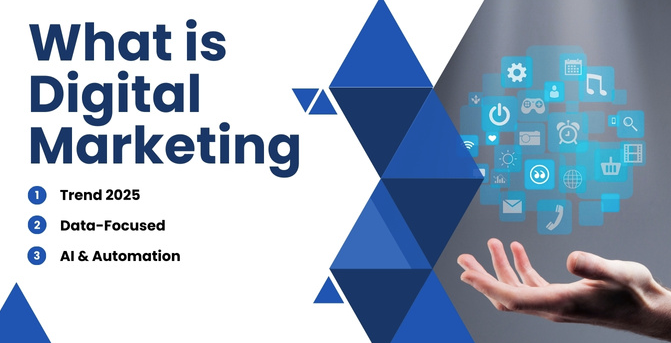
What Is Digital Marketing? 

Digital marketing is an umbrella term for every marketing technique used to enhance a business online. Some of the key platforms covered by digital marketing are Google Ads, Search Engine Optimisation (SEO), Facebook Ads, YouTube Videos, and TikTok.

In brief, all these platforms exist to help your business function smoothly online. Consider them as online tools that help businesses increase brand awareness, generate website traffic, interact with target audiences, get customers, and generate leads or sales.

One key feature about digital marketing is that it lies on a dynamic plane that is ever-shifting to the rapid changes in technology and consumer behaviour – so you will need to keep up with trends at all times!

What Is Digital Marketing? 

What Makes A Strong Digital Marketing Strategy?

The secret to any good marketing strategy that will bring you successful digital marketing campaigns is detailed planning. Not every digital platform is for your business, so you need to have a thorough understanding of your business nature, industry, competitiveness, customer life cycle, and what kind of goals you’re looking to achieve before selecting a digital platform for your campaign strategy.

Let’s take an example: say you’re a new small time coffee shop with a starting of goal of building a community that will in time turn into visiting customers – social media is one of the greatest tools out there to build trust and credibility of your business and you can do this for your small coffee shop with quality content on coffee and by engaging with customers in your local area online.

While social media is a great tool, it’s one that comes with effort and patience. The key with social media is consistency, and never can that word be emphasised enough when it comes to social media. Quality and authenticity build community, and that community turns into your real-life customers and eventually sales.

Now, if you’re a mobile welder who has been on the scene for a long time and needs some quick leads in less time, then tools like Google Ads combined with SEO tactics will be the right digital marketing strategy for your dilemma.

There can be many platforms that work for your business, not just one, so make sure to consider every possible platform that has the potential to bring you results for your business goals. For this, you need to do solid market research on which platforms are frequently associated with your customers, and then combine these platforms strategically.

Another key point to remember for your campaign is that each campaign goal must stay consistent across all platforms. You don’t want your customers feeling confused from one platform to another.

Staying in tune with your business’s branding, sound, look, and feel will help you develop your digital marketing strategy and form your campaigns even better. Here’s where you consider everything from ensuring your digital marketing campaign is sticking to your authentic brand tone of voice, to making sure creatives are not straying away from brand colours and style, and your website landing pages are consistent with branding guidelines, and ensuring a fluid user experience that enhances your customer’s digital experience with your brand online.

Check out the next section, where we have listed steps on how you can fortify your digital marketing strategy:

1. SMART Goals Are The Way To Go

Your marketing strategy should have order, and you find order by categorising your digital marketing goals under specificity, measurability, ability to achieve, relevancy, and whether it’s bound.

All digital marketing platforms you’re going for must have a minimum of 1-2 SMART goals. Here’s what a SMART goal may look like:

A small business that offers replacement car key services would like to set a SMART goal of acquiring 30 leads per month using Google Ads under a decent budget.

You see how specific this goal is? The numbers matter because “30 leads per month” can be quickly measured via Google Ads or Google Analytics. For a decent budget, this goal is achievable and is time-bound to be completed within a month. SMART goals make life easier for you and your agency as they give a clear idea of where your business stands, what your goals are and where you want your digital marketing efforts focused.

2. Know Your Buyer Persona Like the Back of Your Hand

Knowing your target online audience isn’t enough; you need to know who they are, from their behaviours to preferences and dislikes. Think of it as finding a partner – the more you know about them, the closer you can please them, win their hearts, and avoid everything they do not want you to say.

As a brand or business, knowing everything about your demographic is an underrated flex because, at the end of the day, customer data will enhance your ad copy, creative, and messaging to suit the ideal customer.

When you cater content to your customers’ exact interests and behavioral traits, your results will have a higher success rate.

3. The Right Budget Is Important

Every campaign comes with a budget for it, and your campaign budget depends on the business’s nature and industry. A large-scale business will obviously need a heavier budget compared to a startup.

Once you’re confident with your budget, take some time and do some research on competitors who have hopped on digital marketing platforms similar to yours. Have they succeeded? What hasn’t worked out for them? Try to find answers to these, and you will have a grounded approach to platforms that work right for your business, and you will also know where you can spend a bit more on, and which platforms to avoid.

Perfecting your ideal digital marketing budget comes with practice over time; however, getting a professional digital marketer with a solid background in handling campaigns across various industries can be a plus point in figuring out when and where to spend, mindfully.

4. Launching Your Digital Marketing Strategy

After laying down your plan, by this stage, you should have a clear idea of your choice of digital marketing platforms for advertising. At this point, you should have a solid understanding of your target market, buyer persona, have built a proper branding strategy with brand values that target your audience, with a budget that serves as a monthly retainer, some good quality ad creatives, and SMART goals that direct your digital marketing campaigns.

Now all you need to do is bring them together and execute your digital marketing campaign.

Whatever you’re going for, from launching a Google Ads management Campaign, a Facebook Ads Campaign, SEO (or even all of them together), take it slow when organising your creative or content, and do a compulsory preview before publishing.

Note: remember to set up tailored conversion tracking for your Ads campaigns that suit your SMART goals.

5. Analyse Your Results

Now’s the part where you see if your campaign efforts are paying off. This is called results tracking.

This can be easily done by hopping on Google Analytics 4 to analyse web traffic, events, and conversion goals from your website over the time period set in your goals.

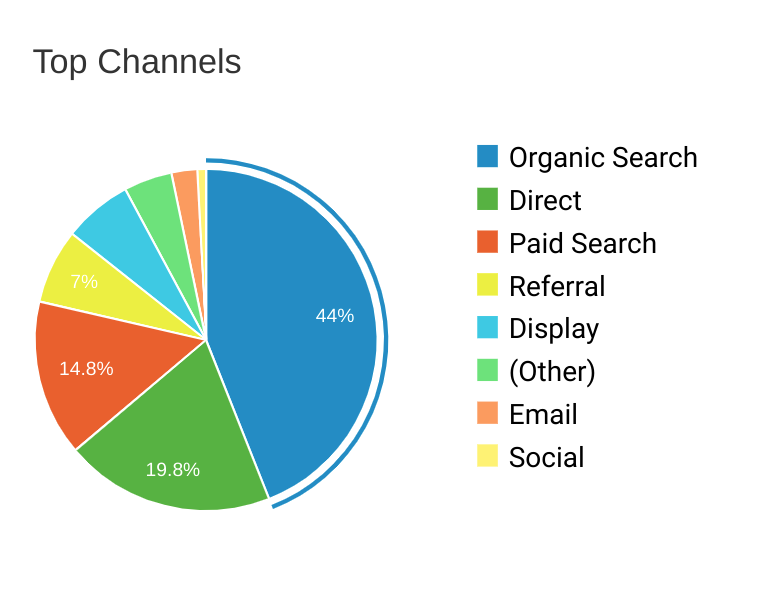
In GA,4 your traffic is categorised into organic (e.g., a user who lands on your website through organic means rather than through a Google Ad), paid search (Google Ads), social (organic social), email (email marketing), direct (a combo of X and paid socials), or X.

As a business owner, this is a wealth of information on where your customers are coming from, how they are converting, and what measures are most suitable for your digital marketing strategy, and sometimes, areas for improvement.

Apart from that, if you’re only running Ad campaigns, your results will be displayed within Google Ads, or if you’re just running Facebook or Instagram ads, you can view results from Facebook itself.

For further SEO, Google Analytics has everything you need, and with a bit of searching, many other reporting tools can prove useful.


Digital Marketing Analysis

The analysis stage, as mentioned above in step five, is crucial to getting an understanding of your campaign’s performance. This analysis includes evaluation of your target audience, total clicks or website views, and overall conversions.

A thorough analysis can lead you to pattern recognition, an idea of how your target audience responds to your ads, and a clear understanding of which digital marketing platforms can generate the most conversions.

Monthly analyses are recommended, sometimes more, based on your campaign and business. For your digital marketing strategy and campaigns, as these will help you keep up with results and pinpoint opportunities.

Digital marketing Analysis

How To Maintain A Strong Digital Marketing Strategy

Great, now that you know how to set up a stellar digital marketing strategy, your next step is maintenance. For any good strategy, maintenance is required for long-term sustainability and consistent results.

This means frequent analysis of results, locking down industry trends that you can capitalise on, and optimising campaigns to keep up with the competition.

Let’s break this down:


Revisit Your SMART Goals

Those SMART goals you set at the beginning of your campaign? Yes, we’re going back to them. It’s important to revisit your goals to see if you’ve actually reached them since your campaign was launched and run. If you haven’t met your goals, there are always insights that can make you raise questions, such as why your landing page is cluttered and hard for users to convert, or is your Google Ads clickthrough rate low, or do you need to optimise any underperforming keywords?

If this is the case, now you can make changes and come back again to evaluate within a few weeks (1-2 weeks) or even a month.


Evaluate Your Target Audience & Check If Campaign Creative Needs Adjusting

Digital marketing is always an experimentation process, because the info you go into a campaign with may not be what works for that campaign – yes, sounds a bit scary, but trust us, it’s a fun process of figuring out what works best for your online business. This process is common when it comes to deciding on your target audience for ads.

Each campaign you run will allow you to review a set of demographic data that highlights age groups within your target market that have responded exceptionally well to your content and provided the highest number of conversions. Now, say you ran a Facebook Ads campaign with a targeted audience category of ladies between the ages of 20-60. However, after a while, you monitored that your Ads performed and converted a lot better with a slightly older demographic of ladies aged 40-60. Based on these insights you received, the most sensible course of action would be to target this newly discovered active group to bring more sales and conversions to your business.

There is also an alternate option where you create two separate campaigns, one for the older audience of ages 40-60 and another with a different creative concept for the younger audience of the 20-40 age group. In this way, you won’t have to look over your shoulder for missed demographics. This is the duality of ads, which allows you to create customised ads for multiple age brackets, which in turn leads to higher conversions within the entire age range.


Check In On Competitors

There’s so much you can learn from and opportunities to grab from your competitors, so always stay in touch with competitors’ progress.

With tools such as SEMrush, you can track competitors and obtain helpful insights such as targeting, Google ad copy analyses, keywords they are using and ranking for, and the type of social media posts they are posting.

Yes, your business is the priority, but your competition matters too. There’s a wealth of information in your competitors that you can pick up and incorporate into your own business, maybe a new digital marketing platform that you never considered using before.

Competitor analysis is essential for both startups and businesses that have been in the game for a long time.


Keep up With Trends Across Digital Marketing Platforms

Digital marketing tools are always transforming – what you used today may not work in a few months, so it’s a necessity to stay up to date with trends and updates that can have a direct impact on your digital marketing strategies and business.

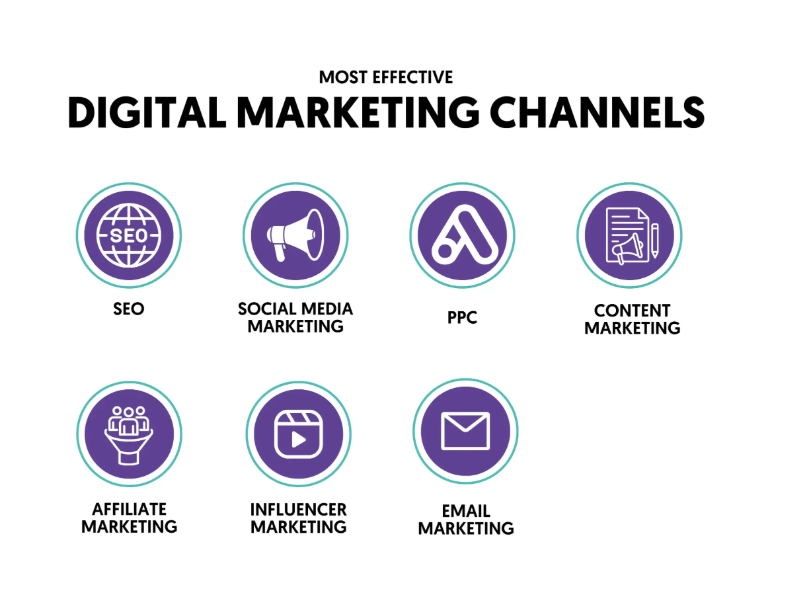
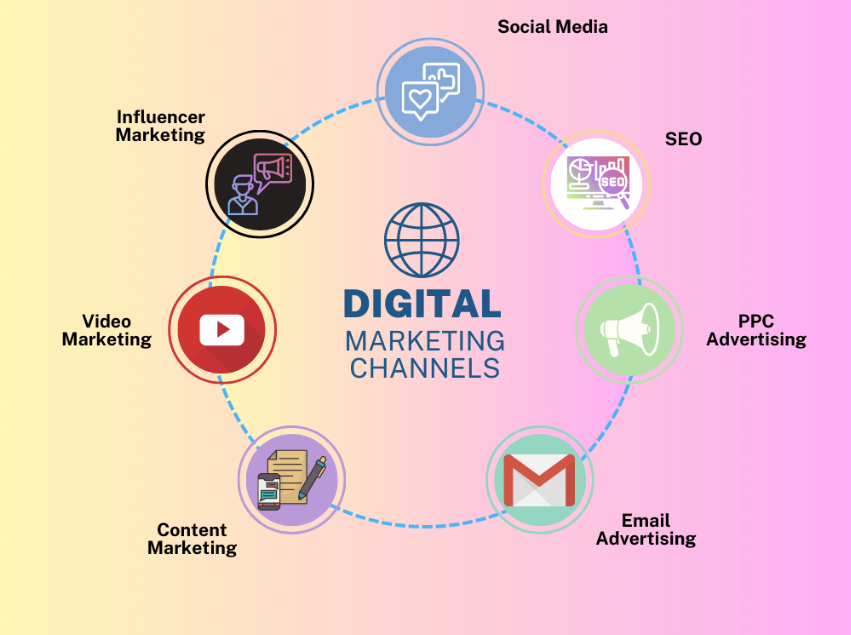
Check out these popular digital marketing channels  used in digital marketing strategies, which are constantly evolving:

  • Pay-Per-Click Advertising (Google Ads)
  • Social Media Marketing (organic and paid social ads)
  • Search Engine Optimisation ( SEO)
  • Email Marketing
  • Content Marketing

One of the best ways to keep up with changes is by constantly staying on the platform, as most of the updates are usually announced within the platform. However, subscribing to digital marketing-oriented newsletters will also help you receive great insights on updates and trends from industry professionals. Do this and you can sharpen your digital marketing efforts for the future!


Keep up With Trends Across Digital Marketing Platforms


Ensure Your Content Strategy Is Engaging, Relevant & Timely

Your content game can be brilliant, from colourful and engaging Face Ads campaigns to informative blogs and well-worded Google Ads search campaigns–but it could mean nothing if it’s not relevant for your target audience or for your business goals.

The key is to stay creative, not complicated. Think: how can your business add more value where other businesses cannot? Use that answer in your creative.

Being timely is also important when it comes to your content strategy. Seasonal content needs to run at the precise time of the year, like Christmas gift campaigns which usually start in the month before Christmas or advertising tax return services a few months before tax returns are due.

So timing is everything. The more timely you are, the more relevant your content, and the more willing your customers are to make a purchase.


Adjust Budget Allocation Accordingly

A budget check-in is a must before you conduct your monthly digital marketing analysis. Know your budget, its limitations and exceptions in and out, so you can make an estimate of the kind of results it can provide you.

Digital platforms like Google Ads and Meta will offer tips on how you can boost your budget if they think it can help you achieve better results. But this step isn’t a must; just think of it as something to go back to if you think it can benefit your business. This step isn’t necessary if your advertising run has proven to be successful and you’ve decided to lower your leads to keep up with existing ones. In a scenario like this, the smart step would be to reduce the budget so it can stay in line with your goals.


Use A Content Calendar

Being organised has never been disadvantageous, and the more organised you are, the less likely you are to miss out on deadlines!

Content calendars are absolutely useful in helping you keep track of all content updates, campaign launch dates, reporting dates, and other content-related tasks. With the help of content calendars, you’ll always know what’s happening in your content realm, from content marketing deadlines to social media posts, and all other important tasks that need to be tracked.


Be On The Lookout For New Keywords To Enhance SEO

You may have locked down a solid SEO strategy, but due to changes in consumer behaviour, it may need a few tweaks. This is why practices such as regular keyword research, or at least every couple of months, are necessary to identify other rich keywords that could better help target and make your website more attractive to the intended audience.


Keep Up On Socials

In 2025, it’s hard to find a business that hasn’t hopped on social media for its digital marketing strategies. If your business currently has a social media platform, then great, you’ve already completed step 1! Now comes the tough part of keeping your platform active and engaging at all times – the key is to never let it run dry for long.

Before wracking your mind for weekly social media content, try to see if you’ve got the basics done, such as making sure your social media profile aligns with your current branding, already has a history of weekly scheduled social posts, and has a smooth combination of both static and video/reel content. If you’ve already got this down, then you’re already on the right track – now it’s just a matter of keeping up with trends, online customers, and delivering right!

Another important bit of social media is that engaging with your customers is essential – you need to let them know your social media page isn’t handled by a ghost or anything that’s not human. This means readily responding to comments, shares, and other activity without delaying for too long. An active social media profile is a sign of a credible social media profile.

Need help with socials for your digital marketing strategy? Come chat with our social media marketing pros, and they’ll guide you down the right path to gain that social presence online.


Breakdown Of Most Prominent Digital Channels 

Now that you know how to lay out a strong digital marketing strategy, launch it, analyse and maintain your results, let’s see how you integrate some of the most sought-after digital marketing platforms into your digital marketing strategy.


Most Prominent Digital Channels

Pay-Per-Click (PPC) Advertising

Google Ads can get you fast and measurable results based on your business’s nature and whether your business’s key search terms have solid search volume.

How Google Ads work: every time the ad is clicked, the advertiser/agency will pay.

Here’s how PPC ads can benefit your business:

  • Generate steady traffic over a short time frame
  • Increase brand awareness
  • Boost lead generation
  • Increase sales
  • Immediate visibility

PPC is one of the most commonly used tools for digital marketing strategies due to its effective nature. PPC Ads, when paired with SEO and Facebook Ads, are a formidable approach to your digital marketing strategy.

The cool thing about PPC ads is that even if a customer clicks on your Google Ad and fails to convert, you can always retarget them next time through Facebook Ads Remarketing.

Usually the majority of customers prefer to go down multiple digital touch points before they make that purchase or submit a form, but for active and urgent customers, that’s not the case. This is where Google Ads perform best, instances where customers prefer to convert at the first contact they make with your Google Ad.

SEO (Search Engine Optimisation)

Search engine optimisation (SEO) is a process of enhancing your website’s visibility so it can rank high on search engine results pages. When customers. See your website at the top of the search results page. This imbues them with trust in your brand and site.

Our SEO Brisbane team is qualified in building and optimising websites that bring more value to your business. The trust your customers have in your website will show in your number of conversions.


Content Marketing

You may have heard “content is king,” but in the modern context, it’s more like “content is kingdom”. Over time, content has proven to be formidable in either making or breaking your brand.

Some of the popular content types that have a consistent demand are content writing services that create written content for blog posts, articles, videos, E-books, and others that require creative copy to gain customer attraction.

Content can be in the form of low-cost or high-cost, depending on your distribution channel, but it is important to note which platform serves the best for each content type.

If your business is heavy on content, here are a few things to consider before putting your digital content out there:

  • The intended message/goal of the content piece
  • How will your content be distributed?
  • Will your customers be able to find it? If so, how??
  • How can you update content over time?


Influencer Marketing

It’s been recorded that by February 2024, 26% of marketing agencies have allocated more than 40% of their marketing budget for influencer marketing, and that says a lot about how impactful influencer marketing has become over the years.

From the moment you open a social media app until you close the app, you will encounter/engage with at least 5-7 influencers.

Some of the main industries that heavily rely on influencer marketing are fashion, food, beverage, retail, travel, and lifestyle. The process behind influencer marketing is to hire an influencer who is qualified in your brand’s area of expertise, has a decent follower base that suits your criteria, can resonate with your brand’s values and connect with your community through their following.

For instance, fast fashion brands such as Nova are popularly known to reach out to several influencers to get their new clothing lines out to the public, increase brand authenticity, and spike sales.

Influencer marketing helps you collaborate with influencers with a good standing, credibility, and online presence. With the rise of influencers growing at a rapid rate, there is an issue of quality that has come to the surface, which is hurting brands. Therefore, it’s important now to select the right influencer for your business nature and industry, based on your level of relevance and the requirements of an influencer.


Social Media Marketing

Social media marketing is one digital marketing tool that almost everyone with a mobile device encounters daily. All social media platforms we use, from Facebook, Instagram, TikTok, Snapchat, YouTube, etc, are used to bring people closer to one another or to help businesses connect better with their customers through brand awareness and community building.

Social media ads also come in the form of organic and paid. Organic social media posts are the posts you create for your business and post on schedule; however, paid social ads mean you pay to create specific targeted ads for audiences. These ads tend to bring more reach and traction to your page or brand over organic content; however, this doesn’t mean organic processes are ineffective- they just take a lot more effort, time, and consistency.

Therefore, the best method to make use of social media for your business is to curate a combination of content that is both organic and paid social ads for optimal, consistent engagement and results.

Email Marketing

All those promotional emails that keep showing up in your email inbox for Christmas or any other “special day of the week” fall under email marketing. If you do email marketing right, it can be one of the most effective ways to bring in leads and sales to your business by targeting the email IDs of your subscribers.

Major brands like Amazon and ASOS have reported using tools like email marketing heavily as part of their marketing efforts.

Email marketing is also one of the ways to remind customers who have previously shown an interest in your products/services through the use of quality, conversational emails that mention seasonal promotions and other exciting product news.


Chatbots and AI-Powered Customer Support

AI has revolutionised the digital marketing industry in waves. What started with chatbots has now advanced into personalised AI assistants.

You may find chatbots and AI assistants usually on a website’s home page, ready to assist you with a prompt. Chatbots and AI-powered customer support options aim to offer quick, clear, and easy customer service online, so you don’t have to be present 24/7.


Community Building

For any brand or business, community is key to sustainability. In simple terms, community building is a long-term process of nurturing leads and creating a connected community of followers/customers. With the dawn of social media, community building has never been easier, especially via leading social media platforms such as Facebook groups, Instagram channels Broadcast Channels), direct messages, comments, lives, etc.

Community building has always been about creating strong relationships between customers and a business’s essential members. The direct purpose of community building is to create a steady group of returning customers to your business in the long run.

Most Prominent Digital Channels

Examples Of Effective Digital Marketing Campaigns

What makes your business stand out from the rest is your own unique ideology, branding, goals, culture, and objectives. And you must remember that each business has a digital platform that works for them but not for other businesses, and this is due to the above-mentioned caveats, as well as the product/service, nature of business, and type of target audience.

This means not every digital platform is for the taking, nor should you run 10 different campaigns, because just one or two solid campaigns should be more than enough to get across your point, if executed with proper strategy and data.

There’s also the method of combining a handful of carefully selected digital marketing platforms and including them in your digital touch points.

To get a real feel of things, we’ve added some real-world uses of different types of digital marketing campaigns that have made heads turn with today’s trends.


1. Content Marketing As Part Of SEO Strategy

Content marketing, as its title suggests, is all about content (like articles, videos, blogs, etc.) that helps your brand connect with the target market. Take HubSpot, for example, they publish high-quality blogs on the topics of marketing and sales techniques, which are directly focused on bringing traffic from their target market, all while enhancing HubSpot’s brand awareness.

2. Social Media Advertising 

Everyone’s constantly on their phones, and what’s keeping them distracted most of the time is social media platforms. These little social apps have become popular marketing tools for businesses of all sizes. Social media advertising simply refers to any sponsored marketing efforts conducted on social media.

Social ads are also known as targeted ads, as they target specific audience groups based on various demographics, preferences, and behaviours.

Sponsored advertising campaigns have become a fan-favorite for businesses on socials – especially on social media sites such as Facebook and Instagram. Here’s what these targeted ads can help you accomplish:

  • Increase Brand Awareness
  • Drive Engagement
  • Generate Website Traffic
  • Generate Leads
  • Strengthen Brand Loyalty

For instance, Airbnb can advertise on Instagram to promote their gorgeous properties to their ideal audience who are most likely interested in travelling and looking for a holiday.

3. Pay-Per-Click (PPC) Advertising Campaigns

As mentioned before, PPC (Google Ads) is one of the quickest digital marketing tools to drive results efficiently. The beauty of PPC ads is that you can customise the ad to precise keywords you want to target, or specific styles of sites or apps where you want your ad to appear.

This makes sure that your ad appears right before your target market when they are actively searching for your product or service, or browsing an app or site that is closely similar to your offering.

This may come as no surprise, but Google, being the producer of Google ads, is one of the best examples of a business that runs paid ad campaigns that never fail.

4. Video Marketing 

Video content has been picking up popularity, especially since COVID. One of the two main platforms known for its user-generated content is YouTube and TikTok. The secret to videos on these platforms is that they are quick, funny, and also informative to the exact amount the viewer wishes to see – and that’s a magic formula its experts have mastered, which keeps bringing money to these platforms for the longest time.

With time, paid collaborative options popped up that allowed these creators to produce collaborative content that boosts reach and engagement when executed according to strategy.

YouTube and TikTok are now becoming some go-to platforms for businesses for branding that helps them gain more traction and reach online.

5. Remarketing

A remarketing campaign is all about reminding customers who have previously looked at your business with interest, yet never made a purchase. They could have maybe lingered on your website, added a few products to their cart, or simply signed up for a newsletter.

However, this subtle interaction is not wasted when you can run a remarketing campaign to make them come back and stay long enough to make a purchase. These campaigns can be targeted at the customers who have viewed specific categories or individual products.

When it comes to remarketing, the time of interaction plays a key role. Individuals who have interacted with your business recently tend to show a visible spike in lead gen or sales – the more recent their presence, the more likely they remember and are willing to make that purchase decision.

6. User – Generated Content

UGC gained popularity over the years due to its success rates. One of the most famous successful UGC campaigns is Coke’s personalised Coke bottle campaign (“Share a Coke”), where Coke offered customers the opportunity to have their Coke bottle customised with their own name, bringing a whole new meaning to personalised experiences. This campaign led to a stream of Coke customers snapping pictures of themselves with their Coke bottle and sharing their personalised Coke across social media.

There is power in user-generated content, because what better way to promote your brand than with customers’ own words on an experience with your product/service. It’s also one of the best ways to strengthen brand loyalty, build better relationships with your customers, and create a strong online community for your brand.

UGC is a direct path to increasing brand awareness, boosting trust, and driving consideration and conversions.


Most Prominent Digital Channels


The Importance Of Digital Marketing Auditing

As mentioned before, auditing is crucial in digital marketing for any business, as it’s the only process that will help you identify the performance of your campaign, whether your correct audience has been reached, what their response was, whether you’ve achieved your SMART goals – or not- and all other data that tells you how you can better your strategy further.


Benefits Of Conducting Digital Marketing Audits & Analysis

Regular audits on your digital marketing campaigns are serious maintenance habits every business must follow. Though it sounds like a lot, good auditing helps you understand more about how your customers interact with and feel about your business, plus it also spikes up your online performance by numbers!

The basics are covered, but just to make things easier, here’s how a digital marketing campaign audit can be broken down:

1. Define Audit Objectives

This is where you select which specific areas of your digital campaign to evaluate. Below are some of the common campaign objectives that need to be measured:

  • Total impressions (if main goal is brand awareness)
  • Total clicks
  • Total reach
  • Organic vs paid traffic
  • Net Promoter Score (NPS)
  • Click per acquisition (CPA)
  • Bounce rate
  • Click through rate (CTR)
  • Total conversions
  • Cost per conversion
  • Likes, comments, shares
  • Total view time (video marketing)
  • Return on investment (ROI)

2. Gather Essential Campaign Data

You must have relevant tools to keep track of and analyse all data you gain from your digital marketing campaigns. As mentioned before, tools like Google Analytics, or separate tools based on platform, such as Google Ads or Facebook Meta Business Suite, are readily available options.

Note that each tool comes with its own form of delivering insights, so Analytics may track conversions a bit differently than Google Ads or Meta Business Suite.

3. Review Campaign Objectives

This is where you probe into questions on the campaign objectives set in point 1. In this stage, you take a long look at campaign data and propose questions such as, “How many clicks did we retrieve from this campaign?” “How many conversions have we gained?” and “Is this cost per conversion reasonable for us?” or “Is our target market engaging as we expected, or was there a slightly different age group within our market that outperformed the others?”

The data you gathered can be used to answer these questions, and those answers will provide a clear map for your upcoming digital marketing campaigns.

4. Conduct Conversion Path Analysis 

Conversion path analysis is a website analysis process where a tool (such as Google Analytics 4) is used to observe customer behaviour on your site. The process allows businesses to find answers to issues such as why customers could be getting stuck or leaving their website. Conversion path analyses are important as they allow marketers to understand their customers’ psyche and cater to it for ultimate conversions.

5. User Experience and Website Performance

With the help of tools like Google Analytics 4, you can learn site-specific behaviours such as page loading speeds, how visitors use the website, and whether the site is easy to navigate to better understand how user-friendly your website is, whether it’s functioning according to plan, or whether it needs some optimisations. 

Your website is an important component in your digital marketing strategy, and that means when you fix your website’s user experience and navigation, it also impacts your entire campaign as a whole.

Good websites speak loudly when it comes to results. An attractive, relevant, and easy-to-navigate website has higher chances of converting a sale through someone who lands on your site through a digital marketing ad or SEO listing.

6. Audit Reporting & Optimisation 

A full and detailed report on your results is a must for your campaigns. Some of the tools that can help with reporting are Google Analytics 4 or Google Data Studio.

Make sure to include all relevant campaign data to accurately view and measure related results and metrics.

These reports also come with slots at the bottom of each page to insert your comments and suggestions, and notes on any future measures that can be taken to achieve better results.

After this stage is complete, sending the reports to your team members who are handling campaign changes will offer them insights as to how to take things forward.

7. Continuous Improvement

This blog is the only guide you need to enhance your future digital marketing strategies and campaigns. Make tweaks with the knowledge you gained so you can always stay ahead of the competition and achieve steady results over time.

What you cannot forget about digital marketing is that it never stops changing – this is due to the dynamic tech environment it belongs to. That means each marketing platform you select is not what you knew a few months ago – the sooner you adapt, the better online credibility and suave your business will have.

Regular monthly audits are a must for any digital marketing campaign as they ensure healthy digital marketing practices in this ever-changing technological environment.

That’s about it. Now go ace that digital marketing campaign for your business!


If you read this blog and are considering Digital Marketing, We are leading digital marketing agency in Brisbane and our Digital Marketing Team are just a phone call away!

We are passionate about getting your business seen and heard by your target market and achieving results that matter to you. So, what are you waiting for! Get back to Digital8 doing what you do best and let us take care of your businesses Digital Marketing.